The Art of Silence: Why Acoustic Panelling Is the Ultimate Design Statement
For the discerning architect or interior designer, every surface is an opportunity. Acoustic panelling has evolved far beyond its utilitarian origins — and at the pinnacle of that evolution sits Pavoni.
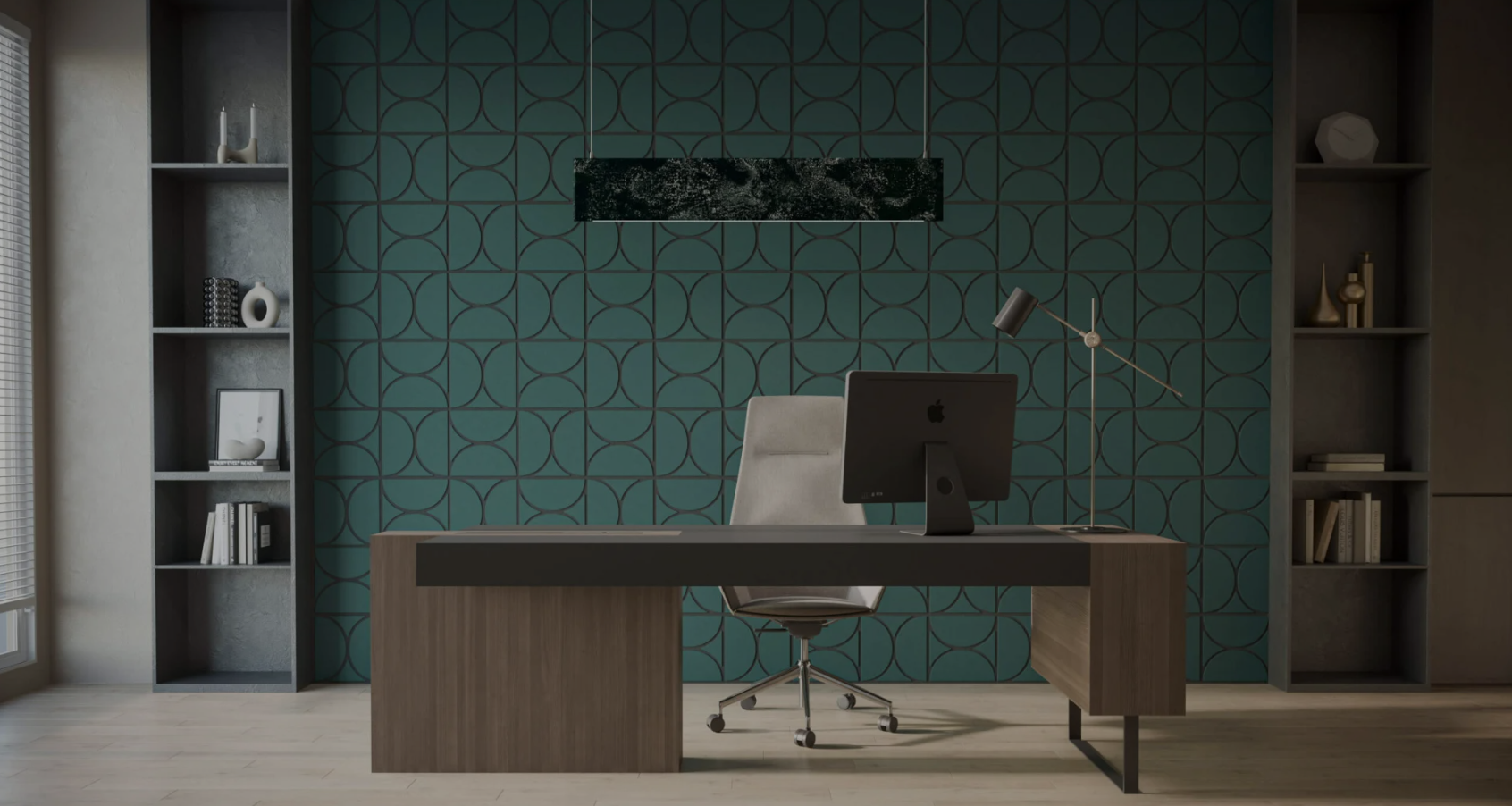
Sound as a Design Element
The greatest interiors don't just look extraordinary — they feel extraordinary. Yet for all the attention paid to materiality, proportion, and light, sound is too often an afterthought. In reality, the acoustic character of a space is as defining as its palette or its furniture. Unwanted reverberation, echo, and ambient noise intrude on conversation, erode the sense of calm, and undermine the carefully constructed atmosphere that a designer has worked to achieve. Acoustic treatment is no longer a backstage concession to engineers. In the hands of the right material, it becomes one of the most powerful tools in a designer's vocabulary.
What Acoustic Panels Actually Do At their most fundamental, acoustic panels are sound-absorbing surfaces designed to control reverberation and echo within a space. Where hard surfaces — stone, glass, plaster — cause sound waves to bounce, acoustic panels interrupt that cycle, absorbing energy and returning a room to a composed, intelligible quiet. The applications are as varied as the projects themselves: hospitality environments where conversation must flow effortlessly, residential studies and home cinemas demanding pristine clarity, boardrooms and private members' clubs where the quality of sound is inseparable from the quality of the experience. In each case, the challenge is the same — to treat the acoustic without compromising the aesthetic. This is precisely where material selection becomes critical.
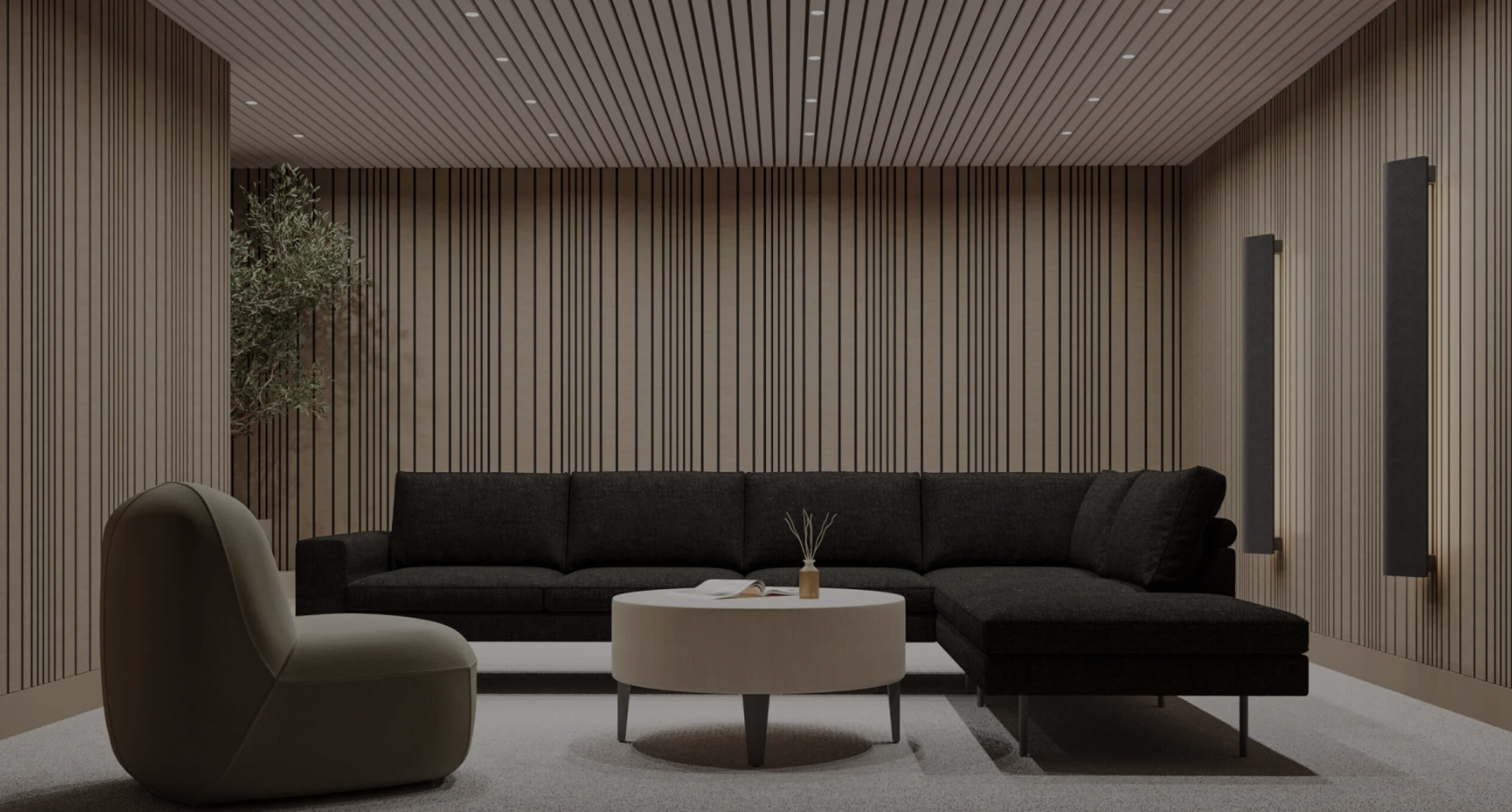
Enter Pavoni: Where Acoustics Meet Italian Luxury
Pavoni has long been synonymous with the finest Italian leather. Purveyors of luxury bovine hides refined through meticulous tanning processes, the brand's collection spans over 500 ready-available options — from pure aniline nubuck to semi-aniline dyed buttery leathers — each selected for both tactile excellence and visual depth. Their foray into architectural panelling is a natural extension of that philosophy: the conviction that performance and beauty are not competing priorities, but inseparable ones.
The Pavoni Acoustic Tile Collection
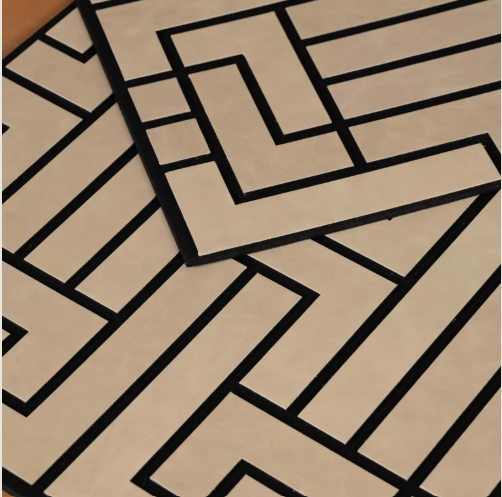
Pavoni's acoustic tile range combines high-performance sound absorption with a level of design sophistication rarely seen in this category. The panels are constructed by applying exclusive leather finishes to a semi-rigid PET felt substrate — a considered pairing that puts both materials to their best use. The leather is precision-cut and arranged with deliberate spacing, allowing the felt to emerge between each shape. The result is a refined interplay of textures and contrasts that is as much sculpture as it is specification.
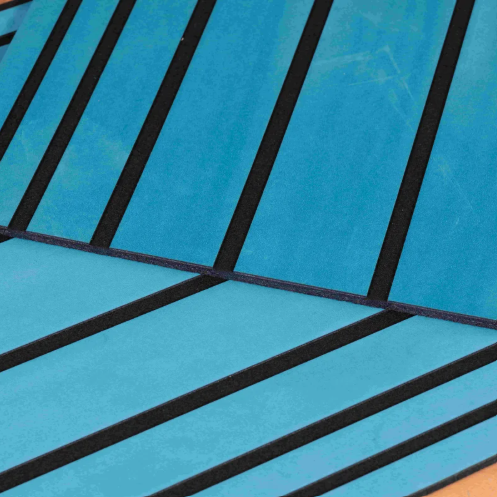
Two signature design profiles — Labirinto and Strisce — offer distinct geometric languages that can be deployed individually or combined for entirely bespoke arrangements. The tiles are suitable for both wall and ceiling installations and integrate seamlessly into standard suspended ceiling grids. Custom models can be created for projects with more specific requirements.
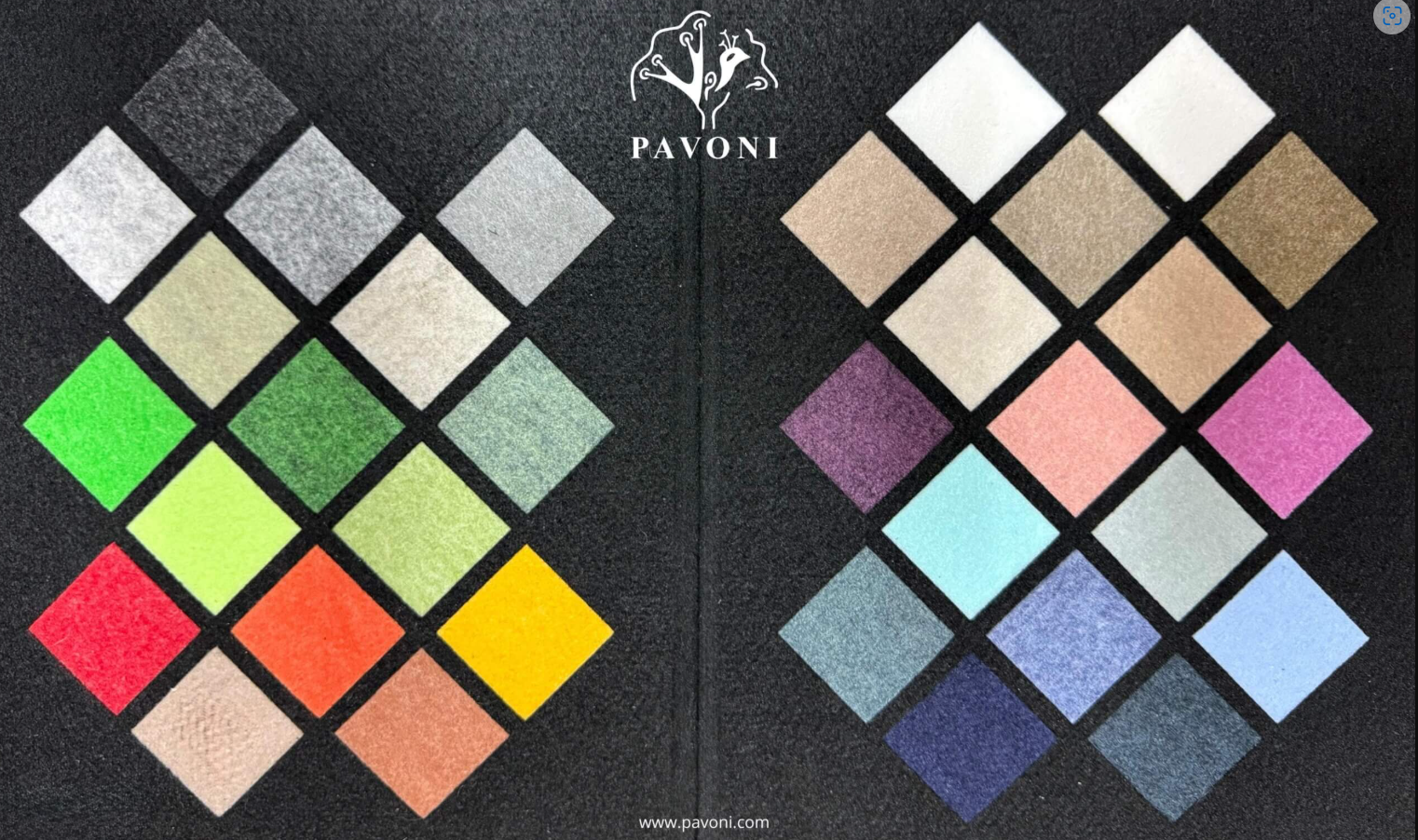
PET felt backing is available in a carefully curated colour palette, ranging from soft, neutral tones to bolder contemporary shades — each developed to perform equally well aesthetically and acoustically, and to integrate into offices, hospitality environments, and high-end residential settings alike.
The Pavoni Magnetic Panel System
For projects where adaptability is as important as permanence, Pavoni's Magnetic Leather Panel system offers something genuinely novel: the full beauty of real leather with the freedom of an interchangeable surface. Engineered by hand in the UK and protected by patent, the system uses a magnetic backing technology applied to real Pavoni leather panels, mounted via a powder-coated flexible grid system that delivers a professional, luxurious finish. The panels are lightweight, flexible, and — crucially — interchangeable, allowing a space to evolve without the disruption of a full refurbishment. The system is ideal for both high-end residential commissions and contract hospitality projects, and it opens compelling possibilities for designers who want to offer clients a living surface — one that can shift with seasons, with briefs, or with taste.
The Case for Leather in Acoustic Specification
Leather is not an obvious acoustic material, but it is a deeply intelligent one. Its density and natural thickness contribute to sound mass. Its surface character — particularly in thicker, semi-aniline hides — absorbs rather than reflects. And when paired with a high-performance acoustic substrate, as Pavoni does with PET felt, the result is a specification that delivers measurable acoustic benefit without a single aesthetic compromise. Beyond performance, leather brings something no synthetic panel can replicate: the quality of age and individuality. Each hide carries its own character — subtle variation in grain, in tone, in texture. This is not imperfection; it is provenance. For clients who understand material quality, it is precisely the point.
Specifying Pavoni: What Designers Need to Know
- Two panel families: Acoustic Tiles (leather on PET felt, for walls and ceilings) and Magnetic Panels (interchangeable leather on a magnetic grid system)
- Design profiles: Labirinto and Strisce, both available in Pavoni's extensive leather range
- Customisation: Bespoke configurations and custom colour options available
- Installation: Acoustic tiles integrate with standard suspended ceiling grids; magnetic panels require Magnepaint-prepared substrates
- Applications: High-end residential, contract hospitality, commercial interiors
Full technical data sheets and installation guides are available directly from Pavoni
A Final Word
The most considered interiors are those where every decision serves both function and feeling — where nothing is purely decorative, and nothing is purely practical. Acoustic panelling in Pavoni leather achieves exactly that balance. It quiets a room. It enriches a surface. And it announces, unmistakably, that those who specified it understood that quality is never just one thing.